Rabi MSP Hike: Safflower Gains 10.3%, Wheat Only 1%
The Cabinet raised minimum support prices for all six rabi crops for 2027-28. Wheat rises just 1% while safflower, mustard and lentil get bigger hikes, a deliberate push towards oilseeds and pulses in a drought year.
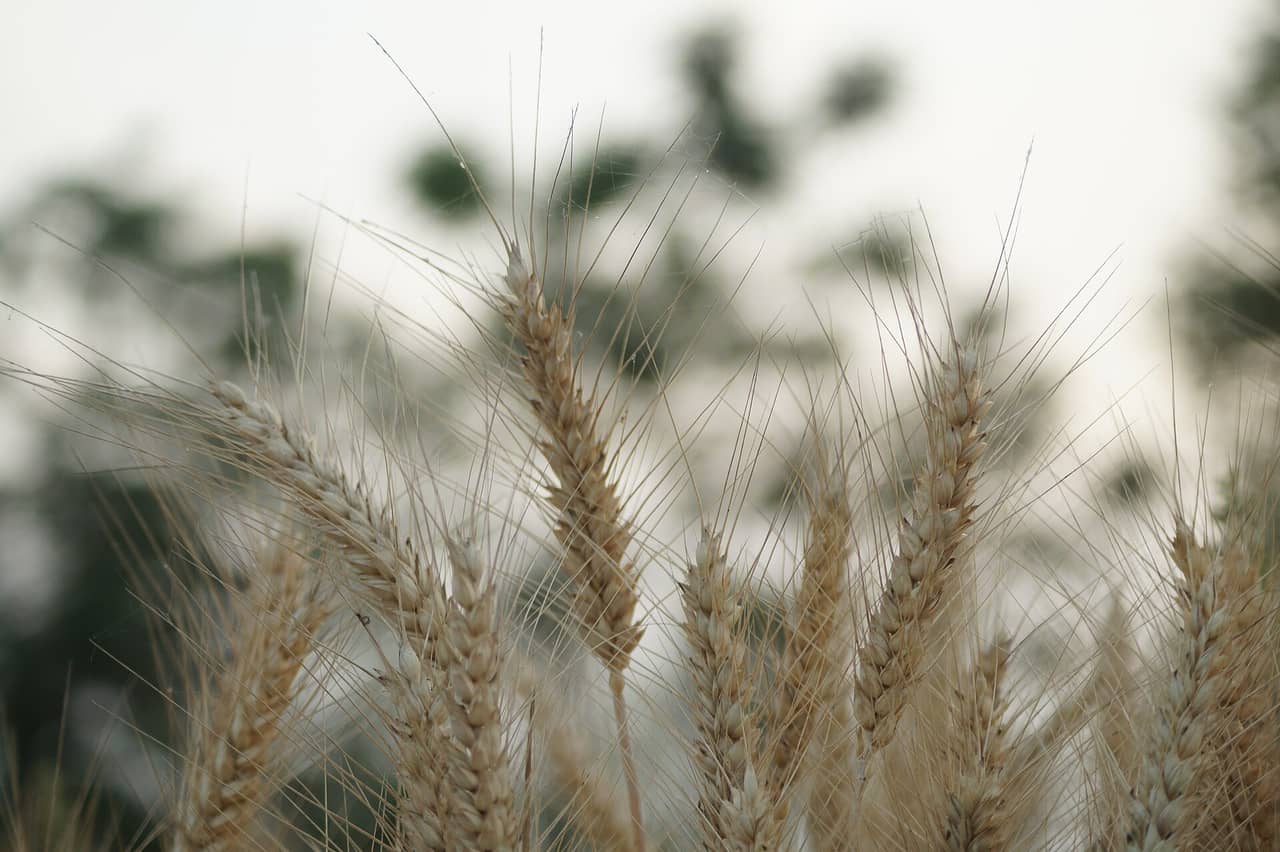
The Cabinet Committee on Economic Affairs (CCEA) on 30 September 2026 raised minimum support prices (MSP) for all six rabi crops for marketing season 2027-28. Safflower got the biggest rise, ₹675 to ₹7,215 per quintal. Wheat rose just ₹25 to ₹2,610. The aim is to push farmers towards oilseeds and pulses in a drought year.
What are the new rabi MSPs for 2027-28 and which crop gained the most?
Safflower gained the most, up 10.3% to ₹7,215 per quintal, followed by rapeseed and mustard (up 6.7% to ₹6,613) and barley (up 6.3% to ₹2,286). Lentil rose 5.6% to ₹7,390, gram 1.4% to ₹5,958 and wheat only 1% to ₹2,610. The government says margins range from 50% to 106% over the all-India weighted average cost of production.
The MSP announced for rabi marketing season 2027-28 carries a margin of 50% to 106% over the all-India weighted average cost of production.
Shivraj Singh Chouhan, Union Minister of Agriculture and Farmers Welfare, press conference (30 September 2026)
What Happened?
The government said the new prices follow the Union Budget 2018-19 promise to fix MSP at least 1.5 times the all-India weighted average cost of production. Expected margins are 106% for wheat, 96% for rapeseed and mustard, and 92% for lentil. Gram follows at 59%, barley at 58% and safflower at 50%.
The government also cited procurement data. Wheat procurement over 2014-15 to 2025-26 was 3,715 lakh metric tonnes, against 2,254 lakh tonnes over 2004-05 to 2013-14. MSP paid to wheat farmers rose to ₹7.31 lakh crore from ₹2.56 lakh crore over the same periods.
Why It Matters
The pattern of hikes is the real message. Wheat already earns a 106% margin, so a 1% rise keeps procurement costs in check. Bigger hikes for safflower, mustard and lentil signal support for crops that need less water, just as the weak monsoon has left soils dry.
India imports a large share of its edible oil, so raising oilseed output also saves foreign exchange. But MSP works only where procurement happens. For most pulses and oilseeds, open-ended buying is limited, so the price signal can be weaker than the headline numbers suggest.
Concept Behind the News: How MSP Is Fixed
The Commission for Agricultural Costs and Prices (CACP) recommends MSPs for 22 mandated crops and the fair and remunerative price for sugarcane. The CCEA takes the final decision. CACP considers cost of production, demand and supply, price trends, inter-crop parity and the effect on consumers.
CACP uses three cost concepts. A2 covers paid-out costs such as seed, fertiliser and hired labour. A2+FL adds the imputed value of family labour, and the 1.5 times rule uses this. C2 adds rent on owned land and interest on owned capital, which is why farm unions demand MSP at C2 plus 50%.
Syllabus Connection
- GS-III (Agriculture): MSP, procurement, cropping patterns and farm incomes
- GS-III (Economy): Food management, buffer stocks and food inflation
- GS-II (Governance): Role of CACP and CCEA in agricultural price policy
PYQ Connection
UPSC Prelims 2020
Question: Consider the following statements: 1. In the case of all cereals, pulses and oil-seeds, the procurement at Minimum Support Price (MSP) is unlimited in any State/UT of India. 2. In the case of cereals and pulses, the MSP is fixed in any State/UT at a level to which the market price will never rise. Which of the statements given above is/are correct?
- 1 only
- 2 only
- Both 1 and 2
- Neither 1 nor 2
Answer: Neither 1 nor 2
Both statements are wrong. Procurement at MSP is not unlimited for all crops; it depends on state agencies and crop. And MSP is not set at a level the market price can never cross. Market prices often rise above MSP.
UPSC Prelims 2018
Question: Consider the following: 1. Areca nut 2. Barley 3. Coffee 4. Finger millet 5. Groundnut 6. Sesamum 7. Turmeric The Cabinet Committee on Economic Affairs has announced the Minimum Support Price for which of the above?
- 1, 2, 3 and 7 only
- 2, 4, 5 and 6 only
- 1, 3, 4, 5 and 6 only
- 1, 2, 3, 4, 5, 6 and 7
Answer: 2, 4, 5 and 6 only
MSP is announced for barley, finger millet (ragi), groundnut and sesamum, all mandated crops. Areca nut, coffee and turmeric are plantation or spice crops outside the MSP list.
UPSC Prelims 2015
Question: The Fair and Remunerative Price (FRP) of sugarcane is approved by the
- Cabinet Committee on Economic Affairs
- Commission for Agricultural Costs and Prices
- Directorate of Marketing and Inspection, Ministry of Agriculture
- Agricultural Produce Market Committee
Answer: Cabinet Committee on Economic Affairs
The FRP for sugarcane is recommended by CACP but approved by the CCEA, the same body that cleared the 2027-28 rabi MSPs.
UPSC Mains 2018 | GS-III, 10 marks: What do you mean by Minimum Support Price (MSP)? How will MSP rescue the farmers from the low income trap? How this news helps: Explain MSP, then use the 2027-28 rabi data: high margins on wheat, bigger hikes for oilseeds and pulses, and the limits of procurement outside wheat and rice.
UPSC Mains 2017 | GS-III, 15 marks: How do subsidies affect the cropping pattern, crop diversity, and economy of farmers? What is the significance of crop insurance, minimum support price, and food processing for small and marginal farmers? How this news helps: The 2027-28 MSP structure is an example of using price signals to shift cropping patterns towards less water-intensive crops.
Visual Explanation: Who Gained the Most
Rabi MSP for marketing season 2027-28
| Crop | MSP (₹ per quintal) | Hike over 2026-27 | Margin over cost |
|---|---|---|---|
| Safflower | 7,215 | 10.3% (₹675) | 50% |
| Rapeseed & mustard | 6,613 | 6.7% (₹413) | 96% |
| Barley | 2,286 | 6.3% | 58% |
| Lentil (masur) | 7,390 | 5.6% | 92% |
| Gram | 5,958 | 1.4% | 59% |
| Wheat | 2,610 | 1.0% (₹25) | 106% |
Expected margin over cost of production, rabi 2027-28 (%)
| Wheat | 106 |
|---|---|
| Mustard | 96 |
| Lentil | 92 |
| Gram | 59 |
| Barley | 58 |
| Safflower | 50 |
Connect the Dots
- Budget 2018-19 sets the rule: MSP at least 1.5 times the cost of production.
- Monsoon 2026 ends 12.6% short; soil moisture is low in Karnataka, Maharashtra and Rajasthan.
- Centre sets a rabi foodgrain target of 177.72 million tonnes and urges pulses and oilseeds in dry areas.
- CACP recommends and CCEA approves 2027-28 MSPs on 30 September 2026, with the largest hikes for oilseeds.
- Wheat rises only 1%, keeping procurement and food subsidy costs in check.
- Next: rabi sowing from October; procurement for 2027-28 begins in April.
Read More
Read More
- Commission for Agricultural Costs and Prices (Price policy reports and cost of cultivation data)
- Monsoon Deficit: El Nino Delivers a 12.6% Shortfall (Why dry soils are shaping this rabi season)
Exam Takeaway
- Six mandated rabi crops: wheat, barley, gram, lentil, rapeseed and mustard, safflower.
- Highest hike: safflower (10.3%). Lowest: wheat (1%). Highest margin over cost: wheat (106%).
- CACP recommends; CCEA approves. CACP is not a statutory body.
- The 1.5 times rule uses the A2+FL cost, not the C2 cost.
Exam Angle
Prelims can test which crops have MSP, who approves it and the cost concepts. For Mains, discuss whether MSP signals alone can change cropping patterns without assured procurement. Link the answer to edible oil import dependence and water stress in a drought year.
Possible Question
Practice Question
Question: With reference to minimum support prices in India, consider the following statements: 1. The Commission for Agricultural Costs and Prices is a statutory body. 2. MSP is approved by the Cabinet Committee on Economic Affairs. 3. For rabi marketing season 2027-28, wheat recorded the highest margin over the all-India weighted average cost of production. Which of the statements given above are correct?
- 1 and 2 only
- 2 and 3 only
- 1 and 3 only
- 1, 2 and 3
Answer: 2 and 3 only
Statement 1 is wrong: CACP is an attached office of the Agriculture Ministry, not a statutory body. Statement 2 is correct. Statement 3 is correct: wheat's margin is 106%, the highest among rabi crops.
Sources & Further Reading
- The Hindu: Cabinet approves hike in Rabi minimum support prices for 2027-28 season (30 September 2026)
- The Hindu BusinessLine: Govt lowers foodgrain production target by 2.63 mn tonnes for 2026-27 over El Nino fears (30 September 2026)
- Commission for Agricultural Costs and Prices: Price Policy for Rabi Crops reports
- NCERT Class XI, Indian Economic Development, Chapter 5: Rural Development