Monsoon Deficit: El Nino Delivers a 12.6% Shortfall
The 2026 southwest monsoon closed 12.6% below normal as El Nino strengthened. What the IMD data shows, why the east and south were hit hardest, and what it means for rabi sowing.
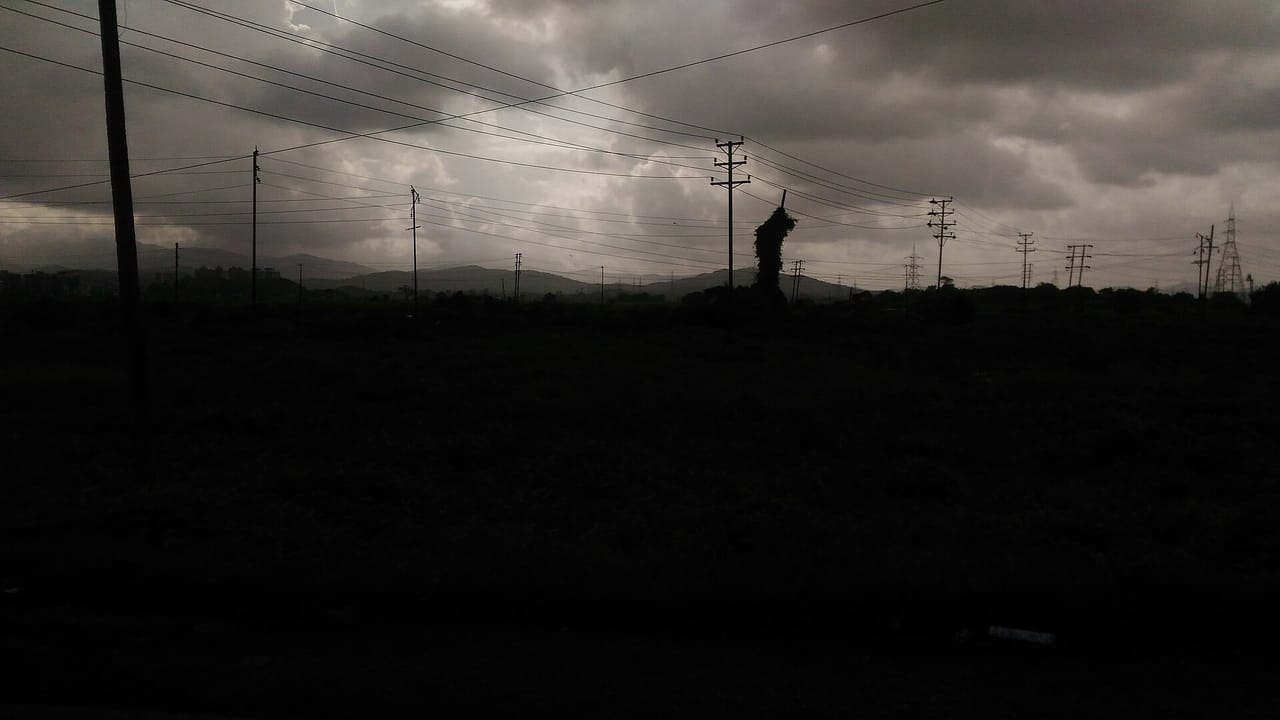
The India Meteorological Department (IMD) said on 30 September 2026 that the southwest monsoon ended with 759.4 mm of rain, 12.6% below the 868.6 mm normal. That makes 2026 the fourth-lowest monsoon since 2001. A strengthening El Nino suppressed rainfall, hitting east, northeast and southern India hardest.
How bad was India's 2026 monsoon and why did it fall short?
India received 759.4 mm of rain between June and September 2026, which is 87% of the Long Period Average and 12.6% below normal. It was the weakest monsoon since 2015. IMD links the shortfall to one of the strongest El Nino events in recent history, with the Nino 3.4 index at 2.72. A positive Indian Ocean Dipole offered only partial relief.
El Nino is likely to peak in November and then begin weakening.
M. Mohapatra, Director General, India Meteorological Department (30 September 2026)
What Happened?
IMD data shows the monsoon started badly. June got only 65% of normal rain, while July ended 1% above normal on the back of central India. August came in at 84% of the LPA and September at 92.4%.
The regional split was sharp. East and northeast India was 25.6% short and southern peninsular India 24.3% short. Northwest India ended 5.9% below normal and central India just 2.6% below. Of 36 meteorological subdivisions, 17 were deficient, covering 42% of India's area.
Punjab, Arunachal Pradesh, and Assam and Meghalaya were deficient in all four months. Of 741 districts, 282 were deficient and 34 were large deficient. September 2026 also recorded India's highest average maximum temperature for the month since 1901, at 32.05 degrees Celsius.
Why It Matters
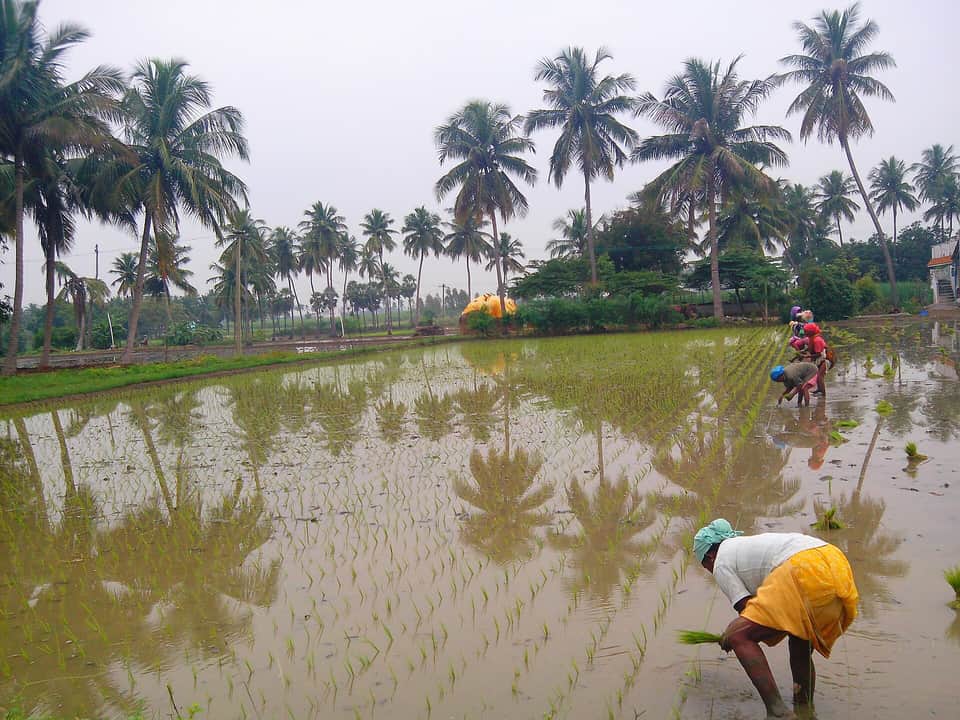
The monsoon still feeds most of India's rainfed farmland, so a 12.6% national gap hides much deeper local stress. Kharif sowing fell 1.2% to 110.8 million hectares, led by a 3.6% drop in rice area. Low soil moisture now threatens rabi sowing in Karnataka, Maharashtra, Rayalaseema, Telangana and Rajasthan.
The Centre has set a 2026-27 foodgrain target of 373.93 million tonnes, 2.63 million tonnes below last year's actual output. Agriculture Minister Shivraj Singh Chouhan has said the aim is to shift low-rainfall areas towards pulses and oilseeds. Weaker harvests also feed food inflation, which shapes the RBI's next moves.
Concept Behind the News: El Nino, IOD and the LPA
El Nino is the abnormal warming of the central and eastern equatorial Pacific Ocean. It weakens the Walker circulation, shifts rising air away from the Indian Ocean and usually suppresses the Indian monsoon. La Nina is the opposite cool phase and usually supports good rain.
The Indian Ocean Dipole (IOD) compares sea surface temperatures in the western and eastern tropical Indian Ocean. A positive IOD, with a warmer west, tends to strengthen monsoon rain. It can partly offset El Nino, as it did in 1997. In late September 2026 the IOD index was positive at 0.76.
How IMD classifies seasonal monsoon rainfall
| Category | Rainfall as % of LPA | Where 2026 sits |
|---|---|---|
| Deficient | Below 90% | 2026: 87% of LPA |
| Below normal | 90% to 95% | - |
| Normal | 96% to 104% | - |
| Above normal | 105% to 110% | - |
| Excess | Above 110% | - |
Syllabus Connection
- GS-I (Geography): Monsoon mechanism, El Nino, La Nina and the Indian Ocean Dipole
- GS-III (Agriculture): Rainfed farming, cropping patterns and food security
- GS-III (Disaster Management): Drought declaration and preparedness
PYQ Connection
UPSC Prelims 2017
Question: With reference to ‘Indian Ocean Dipole (IOD)’, sometimes mentioned in the news while forecasting Indian monsoon, which of the following statements is/are correct? 1. IOD phenomenon is characterised by a difference in sea surface temperature between tropical Western Indian Ocean and tropical Eastern Pacific Ocean. 2. An IOD phenomenon can influence an El Niño’s impact on the monsoon. Select the correct answer using the code given below:
- 1 only
- 2 only
- Both 1 and 2
- Neither 1 nor 2
Answer: 2 only
Statement 1 is wrong: the IOD compares the western and eastern tropical Indian Ocean, not the Pacific. Statement 2 is right: a positive IOD can weaken El Nino's drag on the monsoon, which is exactly the relief IMD and analysts flagged in September 2026.
UPSC Prelims 2011
Question: La Nina is suspected to have caused recent floods in Australia. How is La Nina different from El Nino? 1. La Nina is characterised by unusually cold ocean temperature in equatorial Indian Ocean whereas El Nino is characterised by unusually warm ocean temperature in the equatorial Pacific Ocean. 2. El Nino has adverse effect on south-west monsoon of India, but La Nina has no effect on monsoon climate. Which of the statements given above is/are correct?
- 1 only
- 2 only
- Both 1 and 2
- Neither 1 nor 2
Answer: Neither 1 nor 2
Both statements are wrong. La Nina is a cooling of the equatorial Pacific, not the Indian Ocean. And La Nina does affect India: it usually brings a stronger monsoon, the opposite of the El Nino year India just had.
UPSC Prelims 2012
Question: Consider the following statements: 1. The duration of the monsoon decreases from southern India to northern India. 2. The amount of annual rainfall in the northern plains of India decreases from east to west. Which of the statements given above is/are correct?
- 1 only
- 2 only
- Both 1 and 2
- Neither 1 nor 2
Answer: Both 1 and 2
Both are correct. The monsoon arrives first in Kerala and withdraws first from the northwest, so its duration shrinks northwards. Rainfall in the northern plains falls from about 150 cm in the east to under 50 cm in western Rajasthan.
UPSC Mains 2015 | GS-I, 15 marks: How far do you agree that the behaviour of the Indian monsoon has been changing due to humanizing landscapes? Discuss. How this news helps: Use the 2026 data on east and northeast India, which had its driest monsoon since 1901. IMD itself notes a marked trend of falling rain in this region.
UPSC Mains 2014 | GS-III, 12.5 marks: Drought has been recognized as a disaster in view of its spatial expanse, temporal duration, slow onset, and lasting effects on vulnerable sections. With a focus on the September 2010 guidelines from the National Disaster Management Authority (NDMA), discuss the mechanisms for preparedness to deal with likely El Niño and La Niña fallouts in India. How this news helps: The 2026 deficit shows why drought is called a slow-onset disaster. Cite the Centre's crop contingency plans, Central teams to Karnataka and Maharashtra, and the shift to pulses and oilseeds.
Visual Explanation: Where the Monsoon Failed
Monsoon 2026 deficit by region (% below normal)
| East & NE | 25.6 |
|---|---|
| South | 24.3 |
| All-India | 12.6 |
| Northwest | 5.9 |
| Central | 2.6 |
Monthly rainfall in 2026 (% of LPA)
| June | 65 |
|---|---|
| July | 101 |
| August | 84 |
| September | 92.4 |
Connect the Dots
- Central Pacific warms: the Nino 3.4 index reaches 2.72, above the 2.14 seen in the 2015 drought year.
- The Walker circulation weakens and the monsoon brings 65% of normal rain in June.
- Season ends at 87% of LPA, with east, northeast and south India worst hit.
- Kharif rice area falls 3.6% and soil moisture stays low going into October.
- Centre trims the foodgrain target to 373.93 million tonnes and pushes pulses and oilseeds.
- Food price risks add to the case for RBI tightening; El Nino is expected to peak in November.
Read More
Read More
- India Meteorological Department: monsoon reports (Official season-end statement and subdivision-wise rainfall)
- Nepal Floods: Western Disturbance Impact (How western disturbances shape rain in north India)
Exam Takeaway
- Numbers: 759.4 mm against 868.6 mm normal, 87% of LPA, 12.6% deficit, fourth-lowest since 2001.
- East and northeast India had its driest monsoon since 1901 at 1,017.1 mm.
- El Nino suppresses the Indian monsoon; a positive IOD can partly offset it.
- IMD calls a season deficient when rain falls below 90% of the LPA.
- Foodgrain target for 2026-27: 373.93 million tonnes (kharif 196.21, rabi 177.72).
Exam Angle
Prelims can test the IOD-El Nino link, LPA categories and which regions were hit. For Mains, link the deficit to rainfed agriculture, crop diversification, drought management under the NDMA framework and food inflation. A good answer uses the 2026 regional data, not just national averages.
Possible Question
Practice Question
Question: With reference to the 2026 southwest monsoon, consider the following statements: 1. All-India rainfall fell below 90% of the Long Period Average, placing the season in the "deficient" category. 2. Central India recorded the largest regional shortfall. 3. A positive Indian Ocean Dipole can partly offset the impact of El Nino on the monsoon. Which of the statements given above are correct?
- 1 and 2 only
- 1 and 3 only
- 2 and 3 only
- 1, 2 and 3
Answer: 1 and 3 only
Statement 1 is correct: rain was 87% of LPA, below the 90% deficient threshold. Statement 2 is wrong: central India was only 2.6% short, while east and northeast India was 25.6% short. Statement 3 is correct: a positive IOD tends to support monsoon rain.
Sources & Further Reading
- The Hindu: Southwest monsoon ends with 12% deficit (30 September 2026)
- Hindustan Times: Southwest monsoon ends with 12.6% deficit, fourth-lowest rainfall since 2001 (1 October 2026)
- The Economic Times: India's monsoon deficit widens to 12%; El Nino strengthens, positive IOD offers some relief (30 September 2026)
- The Hindu BusinessLine: Govt lowers foodgrain production target by 2.63 mn tonnes for 2026-27 over El Nino fears (30 September 2026)
- NCERT Class XI, India: Physical Environment, Chapter 4: Climate